


What Can a CNC Machine Do? Exploring CNC Router Capabilities
Key Takeaways
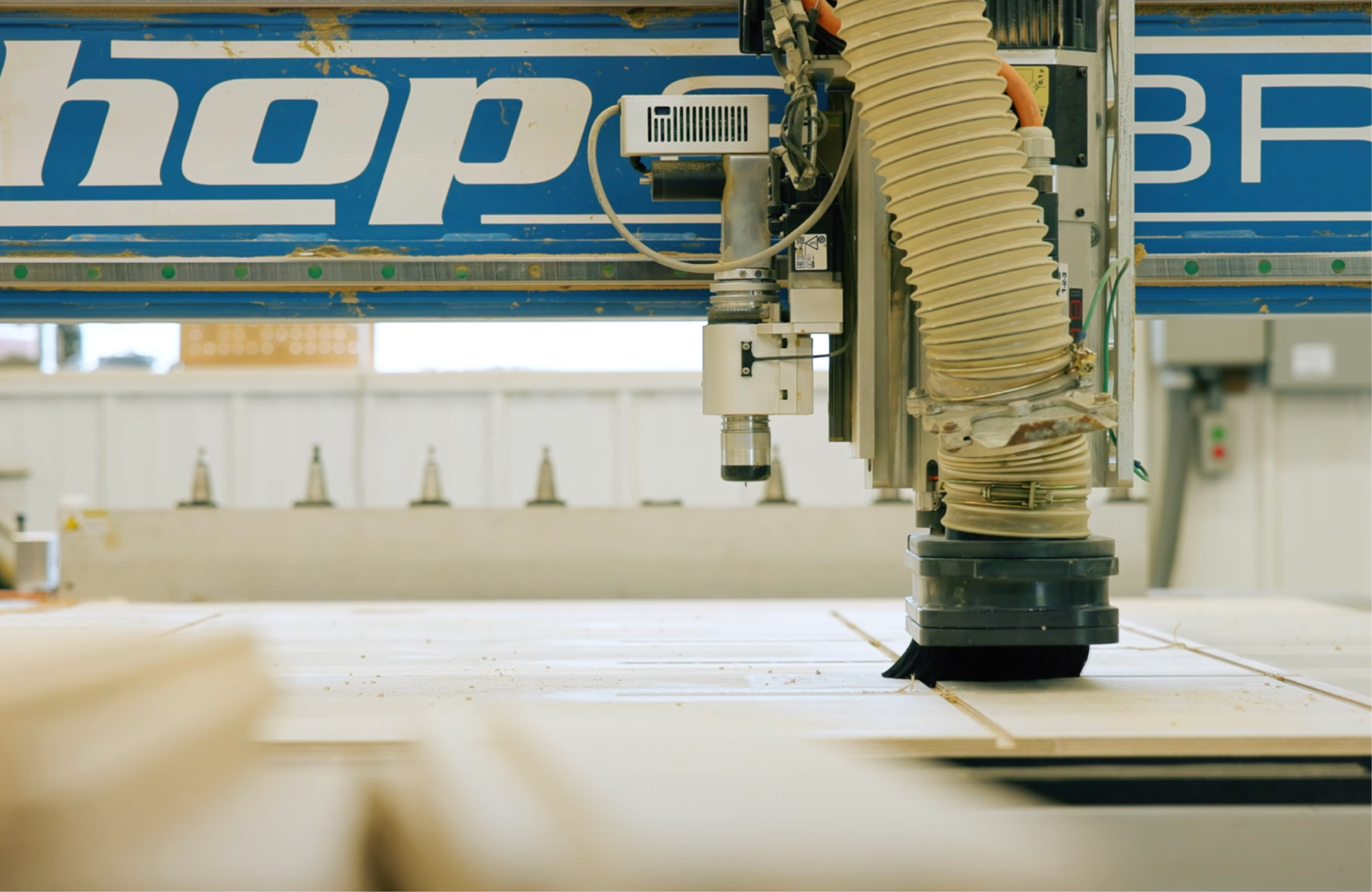
- What can a CNC machine do? CNC machines can cut, engrave, shape, and drill materials like wood, plastic, foam, and metal with extreme precision.
- Applications range from basic straight-line cuts to intricate 3D designs for industries like aerospace, wood working, signage, and medical.
- Businesses can use CNC machines for signage, cabinetry, prototyping, musical instruments, aluminum/brass machining, furniture, and more.
- The biggest benefit: CNC machines combine speed, accuracy, and repeatability, making them valuable for both large-scale production and custom one-off projects.
What Can a CNC Machine Do?
A CNC (Computer Numerical Control) machine can cut, carve, engrave, drill, mill, and shape a wide variety of materials, including wood, plastic, aluminum, brass, and foam. Whether you need something as simple as a straight cut or as complex as a multi-axis 3D prototype, CNC machines excel at delivering precision, speed, and repeatability that manual processes can’t match.
From cabinetry and signage to aerospace components and musical instruments, CNC technology opens doors across countless industries.
Simple Cuts & Engraving
At its core, a CNC machine is a precision cutting tool. Even in its most basic use, it takes on the kind of repetitive, time-consuming tasks that would normally eat up hours in a shop.
With a CNC, you can:
-
Cut straight lines or smooth curves without measuring and re-measuring by hand. The machine follows a digital path with pinpoint accuracy, so every cut is clean, sharp, and consistent.
-
Drill perfectly aligned holes, whether you need a row of hinge holes for cabinetry or precise boreholes for a mechanical component, the CNC eliminates human error.
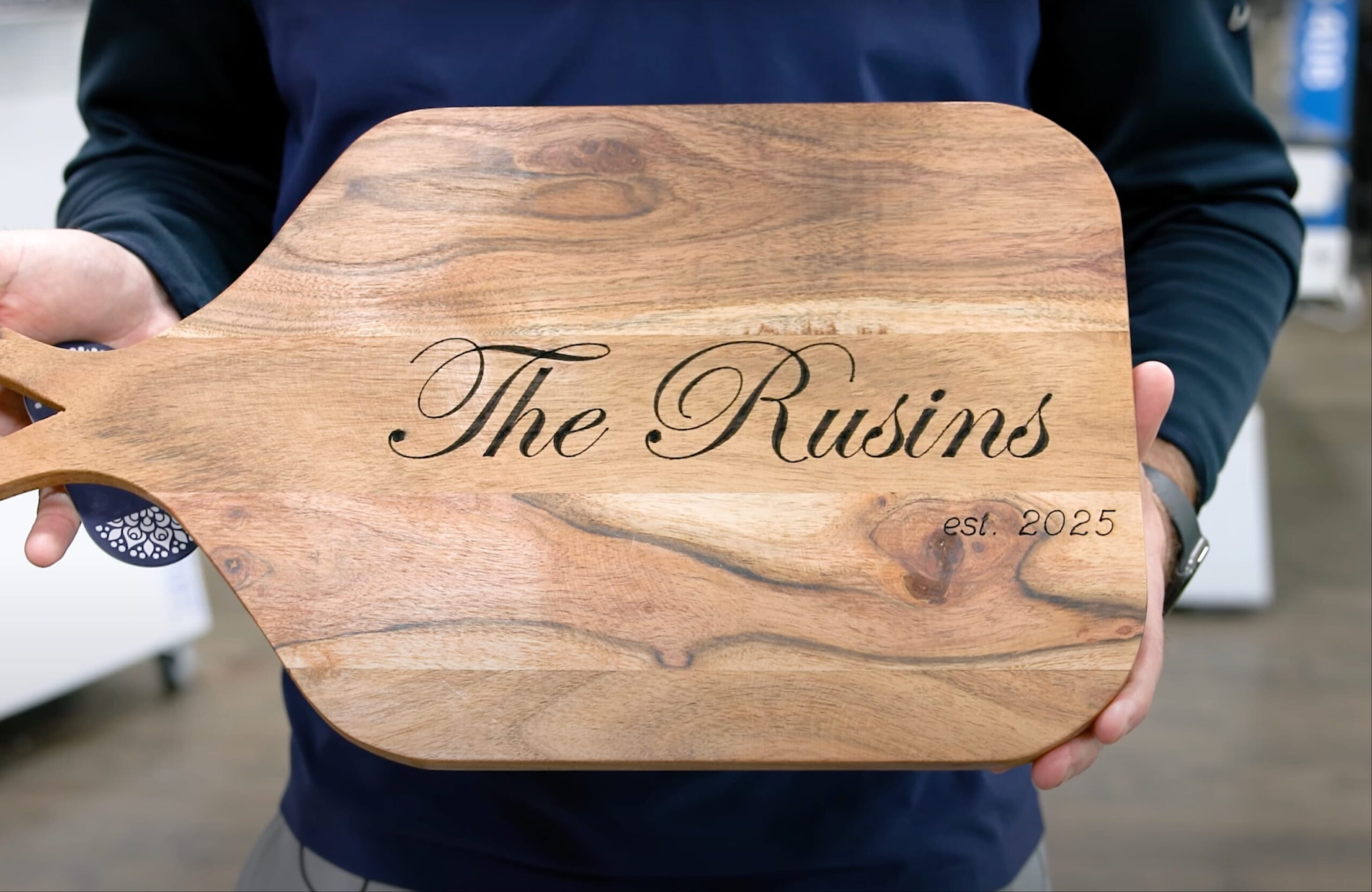
- Engrave details like names, logos, serial numbers, or decorative patterns. Because it’s computer-controlled, you can scale an engraving from tiny lettering to large graphics without losing sharpness.
Watch us engrave a cutting board using the ShopSabre IS Series CNC Router:
This reliability is why sign shops, cabinet makers, and small manufacturing outfits rely so heavily on CNC machines. When you’re working on dozens of panels or signs, repeatability is everything. A CNC makes sure the first cut looks exactly like the hundredth cut.
Beyond efficiency, there’s also a creative edge. Simple engraving work, for example, allows businesses to expand their offerings into personalization and branding, whether that’s carving a custom family name into a wood sign or etching product IDs into metal parts for traceability.
And because most modern CNC routers are paired with intuitive design software, you don’t need to be an engineer to create professional-looking results. Upload a design file (like a DXF or vector graphic), set your tool paths, and let the machine handle the execution.
CNC Applications in Signage
Signage is one of the most recognizable and practical uses of CNC technology. Whether you’re talking about a simple storefront sign or a large, multi-dimensional display, CNC routers make the process faster, cleaner, and far more precise than traditional methods.
With the right design software and tool setup, a CNC machine can produce:
-
2D lettering: Flat, clean-cut letters that can be scaled up for storefront signs or kept small for indoor signs. Every letter is identical, which keeps branding sharp and professional.
-
3D carved signage: Think of the raised letters on a rustic wooden tavern sign or the textured depth of a company logo carved into acrylic. CNC routers can handle these complex details without sacrificing speed.
- ADA-compliant signage: This is a big one for businesses and institutions. CNC machines can be programmed to carve tactile text and braille beads with exact spacing, ensuring compliance with accessibility standards while maintaining design aesthetics.
The versatility in materials is just as important as the design flexibility. With a CNC, you can work across a wide range:
-
Wood for classic, rustic signage
-
Acrylic or plastic for modern, polished looks
-
Foam for lightweight, large-format displays
- Aluminum and brass for durable, high-end signage often seen in professional offices or architectural projects
For sign shops, CNC technology also promotes scalability and efficiency. You can set up a design once, save the file, and reproduce that sign a hundred times without worrying about variations. That repeatability is a major selling point for businesses that need consistent branding across multiple locations.
There’s also room for creativity. Since CNC routers can carve complex designs, sign makers can offer customers custom finishes, layered textures, or intricate patterns that set their work apart from mass-produced signage.
CNC in Cabinets & Furniture
If there’s one industry where CNC machines have become almost indispensable, it’s cabinetry and furniture making. These projects demand precision, consistency, and efficiency, qualities that CNC technology delivers every single time.
So, what can you do with a CNC machine in furniture making?
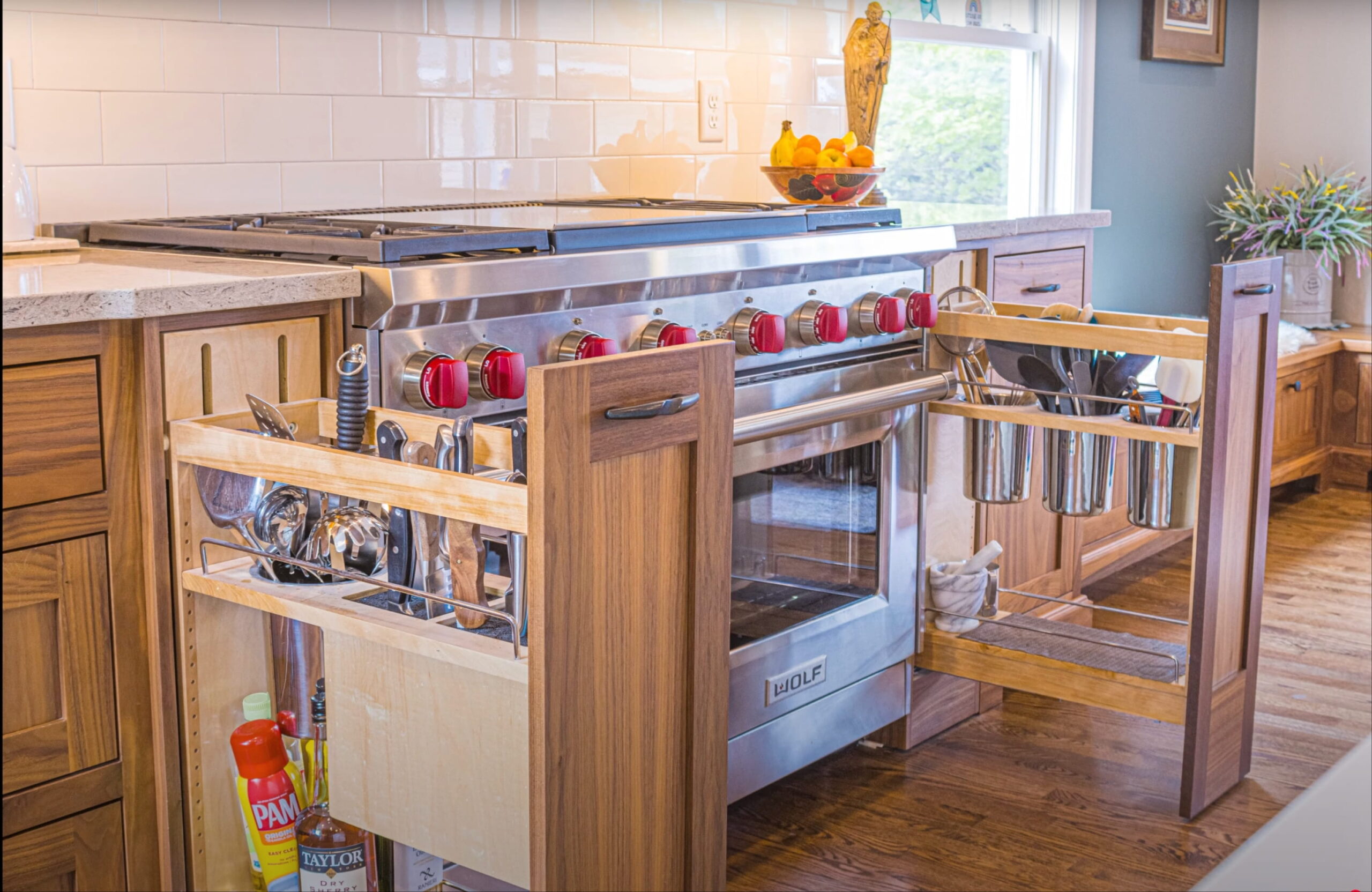
- Create cabinet doors, drawers, and closet systems: Instead of manually measuring and cutting every piece, a CNC router can cut entire sets of parts with perfect accuracy. This not only ensures a flawless fit but also allows shops to scale production without losing quality.
- Cut panels for shaker or raised-panel doors: Styles like shaker are timeless, but they also require crisp lines and consistent recesses. CNC machines can reproduce these designs quickly, making it easier to fill both custom one-off orders and bulk runs.
- Produce smooth, consistent edges on countertops and tabletops: Achieving perfectly straight or curved edges by hand can take hours of sanding and finishing. A CNC machine does it in a fraction of the time, delivering edges that are uniform across every piece.
- Create custom Slot Wall systems for retail or garage organization, add character with Beaded or Reed Style cabinet doors, and even produce custom range hoods that match your cabinetry perfectly.
Custom Cabinets
CNC technology also opens the door for creative flexibility. Shops can offer custom engraving, intricate inlays, and unique design features that would be difficult (or impossible) to produce by hand. This is especially valuable for smaller cabinet shops that want to differentiate themselves with personalized craftsmanship while still keeping production efficient.
Large-Scale Production
For larger manufacturers, CNC machines make it possible to balance mass production with customization. With just a software change, a shop can shift from producing 100 standard cabinet doors to creating a custom set for a client’s high-end kitchen remodel, all on the same machine.
Because CNC machines optimize tool paths and material usage, shops see less waste, a big advantage when working with costly hardwoods, engineered boards, or high-grade laminates. That precision translates directly into savings and higher profit margins.
Working with Aluminum & Brass
CNC machines aren’t just for wood and plastic; they’re incredibly effective for metalworking, especially with non-ferrous metals like aluminum and brass. These materials are prized in industries like aerospace, automotive, and electronics because they are strong, lightweight, and corrosion-resistant, making precision machining essential.
So, what can a CNC machine do with aluminum and brass? Quite a lot:
- Maintain precise tolerances: When parts need to fit together perfectly (think aerospace components or automotive brackets), CNC machines ensure that each cut stays within tight specifications, reducing assembly issues and rework.
- Cut clean edges without warping: Metals react differently to cutting forces and heat compared to wood or plastic. CNC machines allow operators to control feed rates, spindle speeds, and tooling so cuts remain clean and flat, avoiding warping or burrs.
- Produce intricate metal components efficiently: From small, detailed parts for electronics to larger structural components for machinery, CNC technology makes it possible to replicate complex designs with minimal effort.
The key to successful aluminum and brass machining lies in fine-tuning the machine settings. Adjusting feed rates, spindle RPMs, and selecting the right end mills ensures optimal results and prolongs tool life. Done correctly, CNC machining reduces material waste, shortens production time, and lowers overall costs, making it a smart investment for any shop working with metals.
Additionally, CNC machines give manufacturers the flexibility to iterate on designs quickly. Whether you’re prototyping a new part or running a high-volume production batch, the ability to switch from one specification to another with minimal setup time is a huge advantage over traditional metalworking methods.
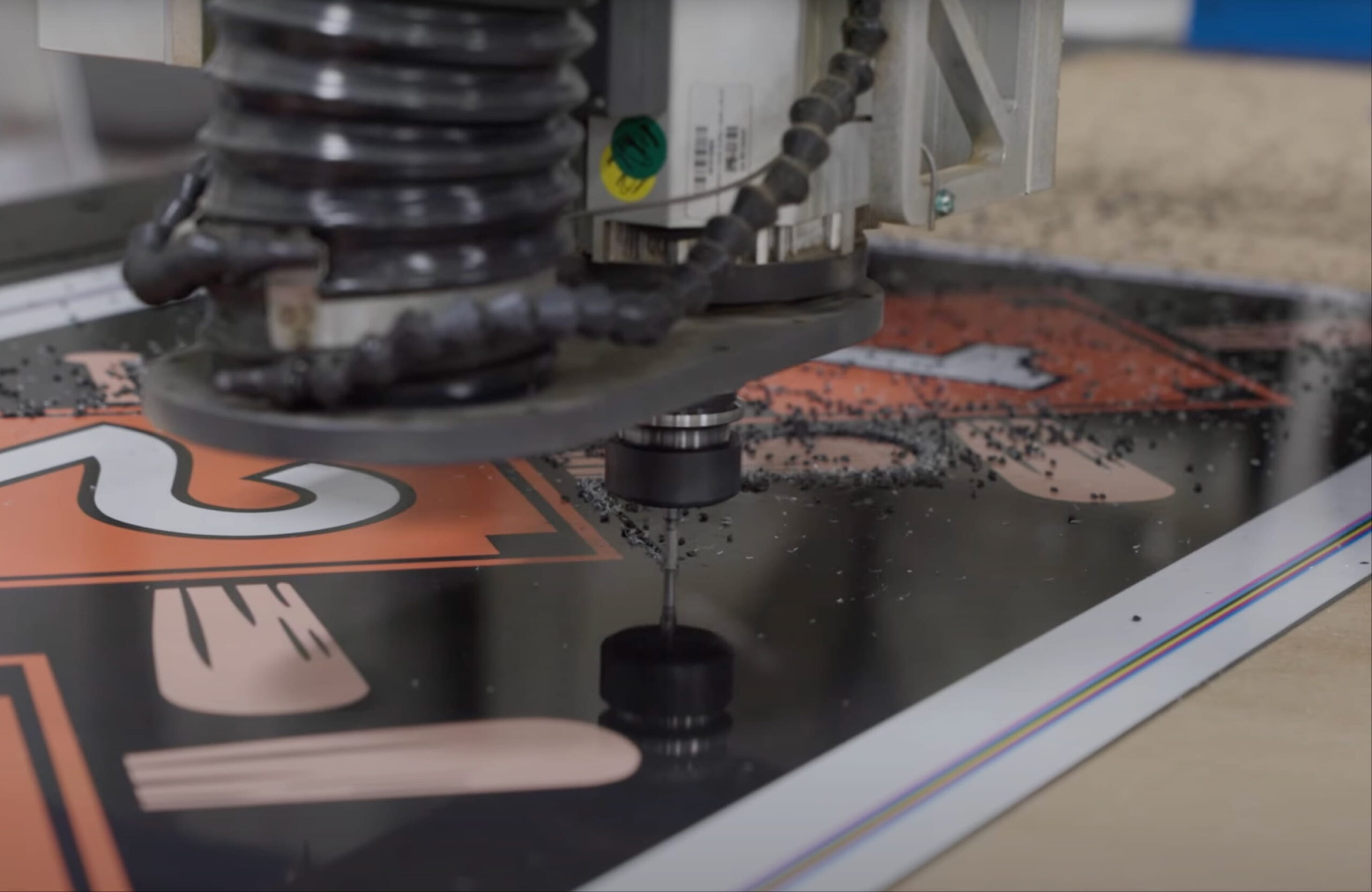
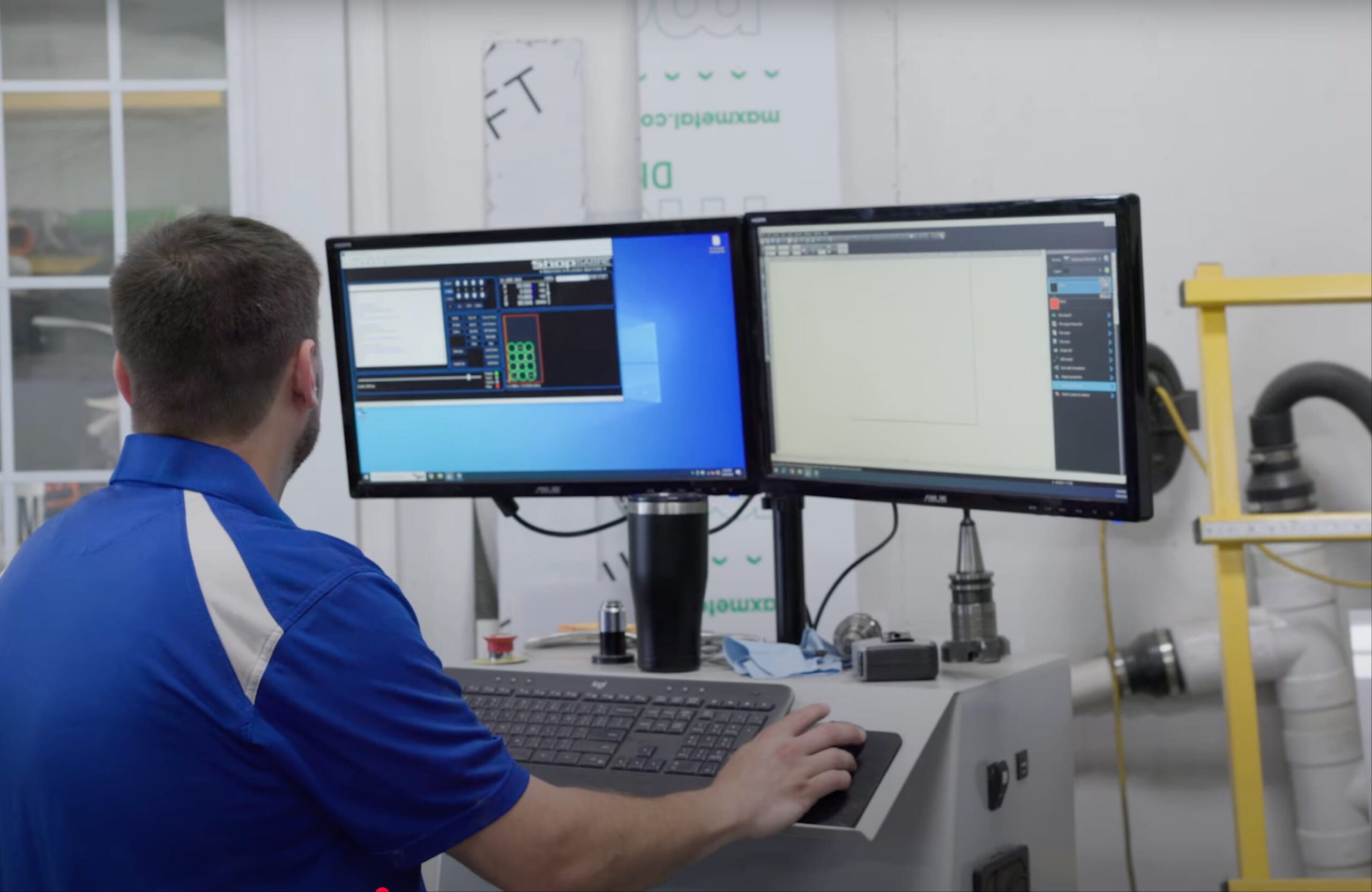
Watch a ShopSabre CNC cut through 1” Aluminum:
Prototyping & 3D Modeling
When businesses ask, “What can you make with a CNC machine?” prototyping is often at the top of the list. CNC machines have transformed the way companies bring ideas to life, allowing them to move from concept to physical model faster, more accurately, and with far less trial-and-error than traditional methods.
With CNC technology, you can:
Create 3D product prototypes
Whether it’s a consumer gadget, automotive part, or medical device, CNC machines can carve fully realized prototypes from wood, plastic, foam, or metal. These prototypes allow teams to evaluate design, ergonomics, and functionality before committing to full-scale production.
Just for fun, watch us build a wooden T. rex using the ShopSabre IS CNC Router:
Reverse engineer parts
Got an existing component but no CAD file? CNC machines can help replicate it. By scanning and machining a part, you can recreate or improve it, making repairs, upgrades, or reproductions much easier.
Scan and reproduce complex shapes
From organic curves in medical models to intricate geometries in electronics housings, CNC routers and mills can faithfully reproduce shapes that would be extremely difficult to achieve by hand.
Industries like electronics, automotive, aerospace, and medical device manufacturing rely heavily on CNC prototypes. The ability to test, iterate, and refine designs quickly provides a major competitive edge; it shortens product development cycles, reduces costly mistakes, and ensures that the final product performs exactly as intended.
Musical Instrument Manufacturing
Precision is everything when it comes to making musical instruments, and CNC machines have become a game-changer in this field. Whether you’re producing hundreds of identical instruments or crafting a one-of-a-kind custom piece, CNC routers and mills deliver unmatched accuracy and consistency.
Here’s what CNC technology allows instrument makers to do:
- Carve guitar bodies and necks: From electric to acoustic guitars, CNC routers can shape bodies and necks with exacting tolerances, ensuring proper string alignment, neck angle, and fret placement. This precision translates directly into better playability and tone.
- Create woodwind components with exact bore sizes: Instruments like flutes, clarinets, and oboes rely on perfectly machined internal dimensions. CNC machines can produce these components with microscopic precision, ensuring optimal sound quality.
- Produce drum shells and piano parts: CNC milling enables manufacturers to cut drum shells, piano bridges, and other components consistently, so each piece fits perfectly and resonates as intended.
CNC machines excel in both large-scale production and custom work. For mass production, they maintain uniform quality across every instrument. For luthiers or custom shops, CNC technology allows for intricate, bespoke designs, enabling musicians to get instruments tailored to their exact specifications.
CNC Machines Unlock Limitless Possibilities
If you’ve been wondering, “What can a CNC machine do?” the answer is simple: almost anything you can imagine. From simple cuts to complex 3D models, CNC routers and mills help businesses innovate, reduce costs, and deliver high-quality products faster.
It doesn’t matter if you’re a small business looking to expand services or a large manufacturer streamlining production, CNC technology is one of the most versatile and valuable investments you can make.