

Are You Building a Business or Just Creating More Work for Yourself?
One of the most valuable lessons I learned during my 16 years of owning and operating a manufacturing business had nothing to do with woodworking, CNC machines, or even production.
It had everything to do with understanding the difference between being busy and being productive.
For years, I believed that if I worked harder, put in more hours, and stayed later than everyone else, my business would naturally grow. Like many small business owners, I wore every hat imaginable. I was the salesperson, designer, manager, machine operator, delivery driver, , and even the janitor.
At the time, I wore those responsibilities almost as a badge of honor.
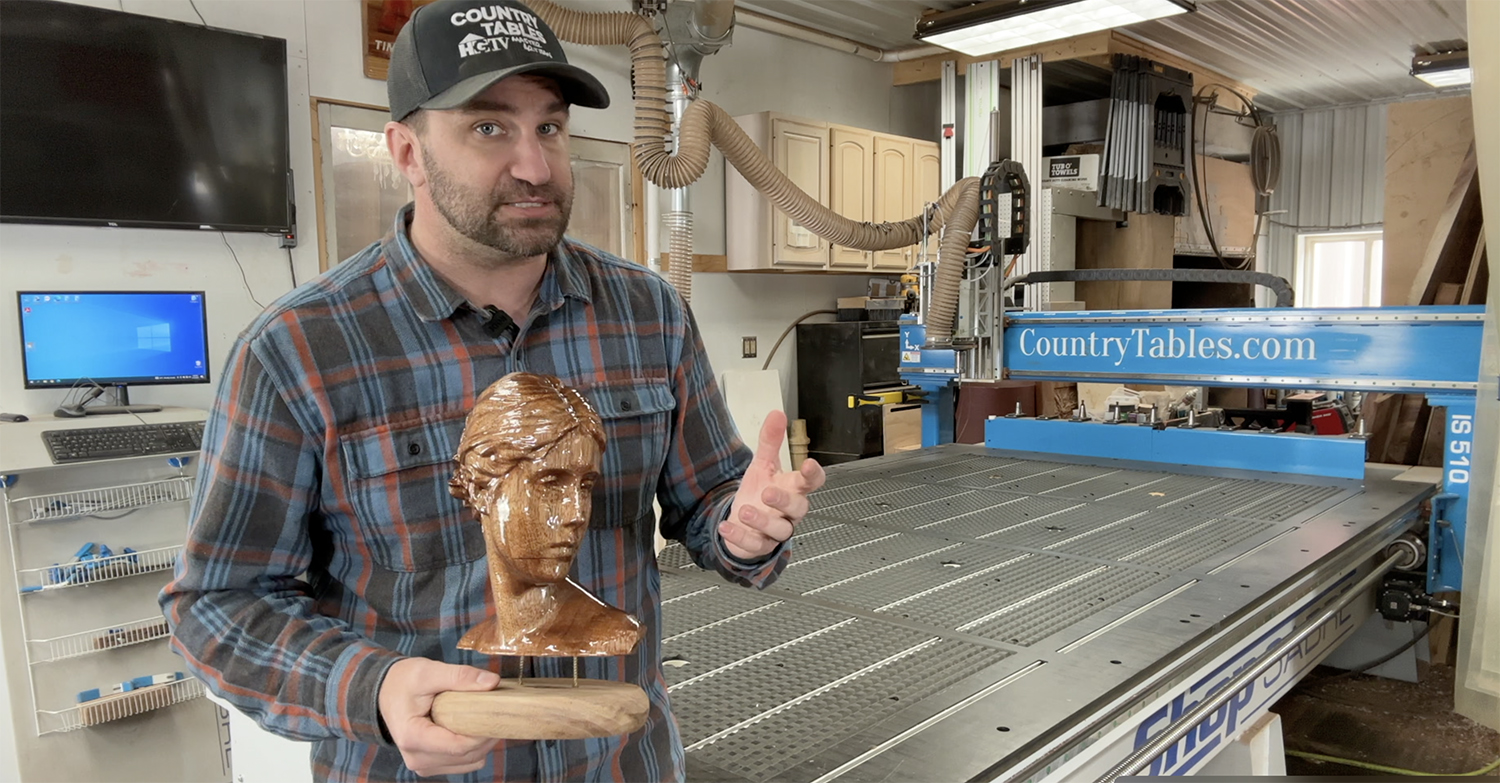
The problem was that while I was working harder than ever, I wasn’t necessarily building a better business.
Many business owners find themselves in a similar situation. They arrive early, leave late, and spend their days constantly moving from one task to another. They are busy every minute of the day, yet they often feel as though they are running in place. The workload continues to grow, but the business itself does not seem to gain any meaningful momentum.
Looking back, I eventually realized that my biggest obstacle was not a lack of effort. My biggest obstacle was capacity. There are only so many hours in a day, and there is only one of you. That realization fundamentally changed how I viewed growth.
For years, I assumed that growth meant hiring more employees. If production increased, I thought the solution was to add more people. If orders increased, I thought the answer was to expand the workforce. While employees are important to any successful business, I eventually learned that adding people alone does not always solve production challenges.
In many cases, adding employees also introduces additional responsibilities, scheduling complexities, training requirements, and overhead costs. While these investments can certainly be worthwhile, they do not automatically improve efficiency.
What truly transformed my perspective was automation. When many people hear the word automation, they immediately think about replacing workers. That was never my experience, nor is it how I view CNC technology. Instead, I learned that automation allows employees to focus on higher-value tasks while machines handle repetitive processes. That distinction is incredibly important.
Think about the countless hours spent breaking down sheet, machining parts, creating templates, or producing components that require consistency. These tasks are necessary, but they often consume valuable production time that could be invested elsewhere.
A CNC machine does not replace craftsmanship. Rather, it creates more opportunities for craftsmanship. By automating repetitive operations, shop owners and employees can dedicate more time to design, assembly, finishing, installation, customer service, and problem-solving. These are the areas where experience and expertise provide the greatest value to both the business and the customer.
Throughout my career, I discovered that one of the most expensive things in a manufacturing shop is not machinery. It is inefficiency! Inefficiency rarely announces itself. It does not arrive in the form of a large invoice or a single unexpected expense. Instead, it quietly accumulates over time.
It appears as an extra hour spent cutting parts manually.
It appears as a production bottleneck that slows every project moving through the shop.
It appears as evenings and weekends spent catching up on work that could have been completed during regular business hours.
These inefficiencies often seem insignificant when viewed individually. However, when multiplied over weeks, months, and years, they can have a substantial impact on quality of life.
Perhaps the greatest lesson I learned as a business owner is that growth should ultimately create freedom.
Unfortunately, many business owners unintentionally create the opposite. They pursue growth by working longer hours, taking on more responsibilities, and carrying a larger workload themselves. As the business expands, so does the pressure. More customers require more attention. More projects require more labor. More opportunities demand more time.
Before long, the owner becomes the bottleneck holding everything together.
I know this because I lived it!
For many years, my business depended heavily on me being physically present to keep production moving forward. While that approach may work for a period of time, it becomes increasingly difficult to sustain as a company grows.
True growth occurs when production increases without requiring a proportional increase in effort. That is one of the reasons I became such a strong believer in CNC automation. Not because it makes manufacturing easier, but because it makes manufacturing more scalable. It allows businesses to accomplish more with the same number of hours.
Today, when I speak with business owners who are considering a CNC machine, I encourage them to think beyond the initial purchase price.
Instead of asking, “What will this machine cost me?” I encourage them to ask, “What is my current process costing me?”
How many additional projects could be completed each month?
How much more time could be spent focusing on growth rather than repetitive production tasks?
Those questions often lead to a very different conversation. The reality is that every business owner is given the same 24 hours in a day. The difference is how effectively those hours are utilized.
Over the years, I learned that success is not always about working harder. It is about finding smarter ways to leverage your time and your resources. For me embracing automation was one of the most impactful decisions I ever made as a business owner.
It did not simply help me produce more, it helped me build a better business!