

Why HD plasma cutting is worth the additional cost
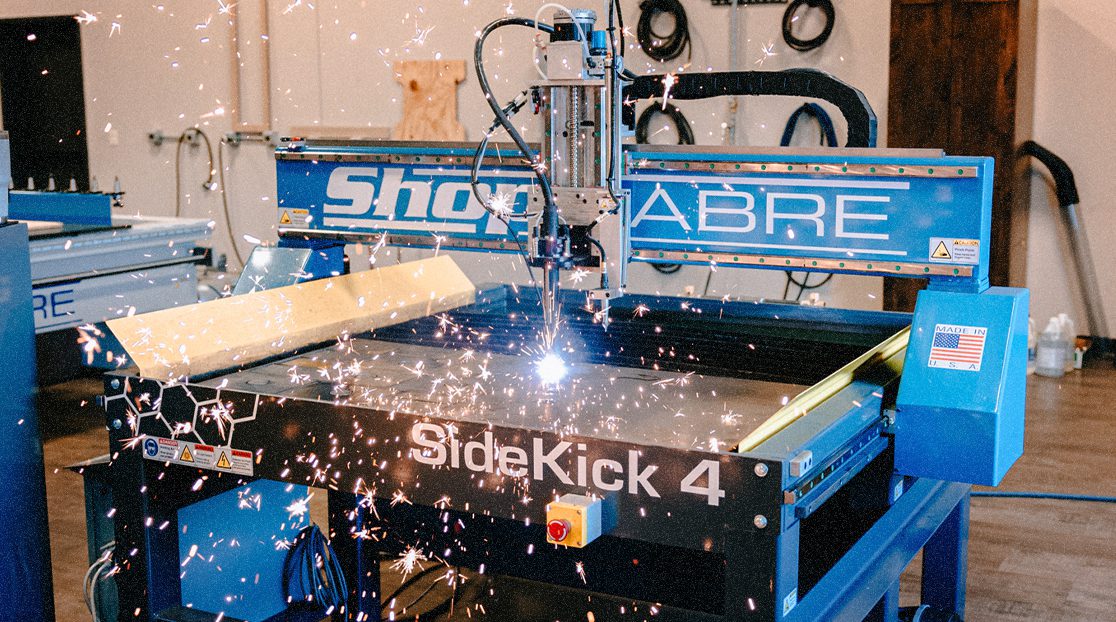
In the grand scheme of shop work and production, CNC is a relatively young technology still experiencing constant innovation and advancement as technicians aim to further perfect their craft. Everything from finishing and sensory capabilities to dust collection and the structures of CNC plasma tables themselves has grown to help shape the present and future of the industry.
Among the technologies that have significantly advanced CNC plasma cutting is high-definition plasma. Here’s a closer look at what HD plasma is and how it can quickly prove to be a worthwhile investment in the shop.
What Is a High-Definition Plasma Cutter?
A high-definition plasma cutter is a CNC plasma cutting system engineered to produce more precise, consistent cuts than conventional plasma equipment. It combines a high-performance plasma power source and torch with CNC motion control, torch height control, and specialized cutting parameters to achieve improved accuracy, edge quality, and repeatability.
HD plasma cutters are designed for professional fabrication and production environments where cut quality and efficiency matter. Depending on the system and configuration, they can cut materials including mild steel, stainless steel, and aluminum while reducing dross and the amount of secondary grinding or finishing required.
Unlike a basic plasma cutter, an HD plasma system is not defined solely by the torch or power source. The entire CNC cutting system, including the plasma source, torch, table, motion system, software, and process controls, work together to produce high-definition results.
What is high-definition plasma cutting?
High-definition plasma cutting is the cutting process used by an HD plasma cutter to create cleaner, more accurate metal parts. The process uses a highly constricted plasma arc to concentrate energy into a smaller cutting zone, allowing the system to produce a narrower kerf, cleaner edges, improved hole quality, and more consistent cuts.
During the process, gas passes through a specialized torch and is energized by an electrical arc, creating plasma capable of melting and removing electrically conductive metal. Precise CNC motion and process controls then guide the torch along the programmed cutting path.
Compared with conventional plasma cutting, high-definition plasma cutting is designed to deliver better edge quality, tighter tolerances, improved repeatability, and less secondary finishing. These advantages can make HD plasma particularly valuable for shops producing precision parts or running repeated production jobs.
HD PLASMA CUTTING VS. LOW-COST PLASMA CUTTING
Plasma cutting involves sending gas from a nozzle through an electrical arc that creates plasma hot enough to cut through metal. Conventional air-plasma processes can produce oxidized or rougher cut surfaces on aluminum and stainless steel, sometimes requiring additional cleanup. Advanced HD systems use optimized gas combinations and process control to improve surface finish and reduce secondary work.
High-def plasma cutting utilizes a smaller nozzle that tightens the plasma stream, resulting in cleaner, more precise edges, and dross-free cuts. Advanced HD systems can significantly extend consumable life compared with conventional plasma, although actual life varies by material, amperage, cut duration, gas selection, and operating conditions.
Key benefits of high-definition plasma cutting
Investing in a high-definition CNC plasma cutting table can come across as a difficult decision, as they’re not sure if the returns will truly be worth the cost. Here are five of the greatest benefits HD plasma can provide to ensure your purchase delivers on its investment.
Precision
High-def plasma cutting achieves clean, precise edges a more basic CNC plasma table simply can’t achieve, in addition to helping avoid warping that can take place when working with thinner metals. Optimized HD plasma processes can produce low-dross, weld-ready edges with less oxidation and less secondary grinding.
Efficiency
HD plasma can improve productivity through fast cut speeds, reduced secondary finishing, and longer consumable life that helps minimize downtime. It is also more efficient on non-linear cuts than most alternative methods such as oxy-fuel cutting machines.
Versatility
HD plasma excels in cutting steel and non-ferrous metals, and can effectively cut mild steel, stainless steel, and aluminum. Other methods such as oxy-fuel can’t cut aluminum or stainless steel because they don’t support the oxidization process.
Durability
High-definition plasma cutters are specifically built and refined for increased durability and long-lasting consistency, capable of supporting a longer consumable life than low-cost options.
Automation
As with all CNC machines, high-definition CNC plasma cutting tables take much of the work out of the equation by allowing operators to enter project codes and let the computer do the work. These automation capabilities make it easy to complete mid-to-large-scale projects without having to perform manual cuts or excessive workpiece resets.
How Thick Can You Cut with an HD Plasma Cutter?
It all comes down to real-world performance: amperage, power source, material type, gas selection, and the edge quality your shop demands.
To make the right investment for your shop, ignore the blanket statements and look at three distinct capacity ratings:
- Production Cutting: The sweet spot. This is the plate thickness your machine cleans up on day in and day out – delivering tight tolerances, fast cut speeds, and clean edges ready for fabrication.
- Piercing Capacity: The maximum thickness your torch can blow through safely from a standing start without blowing back slag or torching your consumables.
- Severance Capacity: The absolute outer limit. It’ll slice the steel in half, but expect slower speeds and rougher edge quality. It gets the job done in a pinch, but it isn’t where you want to run daily production.
The Bottom Line: Severance limits sound great on a spec sheet, but production speed and edge quality are what actually make your shop money.
HD Plasma vs. Fiber Laser: Which Drives Better ROI for Your Shop?
When you’re looking at cutting technology, there is no single “best” machine – only the right tool for the job you’re doing every day. Your choice comes down to material type, plate thickness, required tolerances, and how fast you need parts moving out your door.
Both HD plasma and fiber laser have their place, but they target very different shop-floor realities.
When HD Plasma Wins
HD plasma is the heavy-duty workhorse for shops processing medium- to heavy-gauge plate. If your shop deals in structural steel, heavy fabrication, or large-format parts, HD plasma delivers an unbeatable mix of speed, versatility, and low cost per cut – at a fraction of the initial machine investment.
- Best for: Mild steel, stainless, aluminum, and heavy conductive metals
- Sweet Spot: Thicker plate, large-scale components, and high-volume structural work
- The Edge: Lower entry cost, rugged reliability, and fast cut speeds as plate thickness increases
When Fiber Laser Makes Sense
Fiber laser is built for razor-thin precision. If your work relies on intricate designs, tiny features, or working almost exclusively with sheet metal, laser technology gives you the ultra-narrow kerf and tight tolerances required for fine-detail manufacturing.
- Best for: Thin-gauge sheet metal, micro-features, and complex geometry
- Sweet Spot: Precision parts requiring minimal heat-affected zones
- The Edge: Extreme accuracy on thin materials and very tight tolerances
Making the Call: Plasma vs. Laser
- Choose HD Plasma if: You need a high-output machine that handles real-world plate thicknesses, high production speeds, and maximum return on your capital investment.
- Choose Fiber Laser if: Your primary business is high-precision sheet metal work with intricate cuts that demand zero compromise on fine-line tolerances.
Optimize Your CNC Work with ShopSabre: The Machine Built for Precision
ShopSabre CNC machines are engineered for one thing: getting more profit from every cut. By combining heavy-duty construction, intuitive control, and production-focused design, we build CNC systems capable of dominating the most demanding fabrication work.
From first-time shop owners taking their craft to the next level to high-volume commercial manufacturers scaling production, ShopSabre delivers the relentless accuracy, speed, and durability today’s shops demand.
1. Real-World Engineering
We don’t just design machines on paper, we build them for the realities of your shop floor. Our in-house engineering team continuously refines every model to handle real-world workloads, tight deadlines, and tough materials.
2. Total Quality Control
We don’t just bolt together third-party parts and call it a day. By keeping design, welding, machining, assembly, and testing completely under one roof, we engineer unified, high-mass systems. And when you call us for help, you talk to the experts who actually built your table. Our machines are tested at every stage, ensuring your machine is ready to start cutting from the day it arrives.
3. Proudly Built in the USA
Every ShopSabre machine is designed, welded, and assembled right here in America. When you invest in a ShopSabre, you get more than a heavy-duty machine, you get an American partner committed to your long-term success with lifetime support.
Ready to upgrade your shop? Whether you’re expanding your line, replacing an outdated system, or buying your very first industrial CNC plasma or laser, we’ll help you configure the exact machine your business needs.